




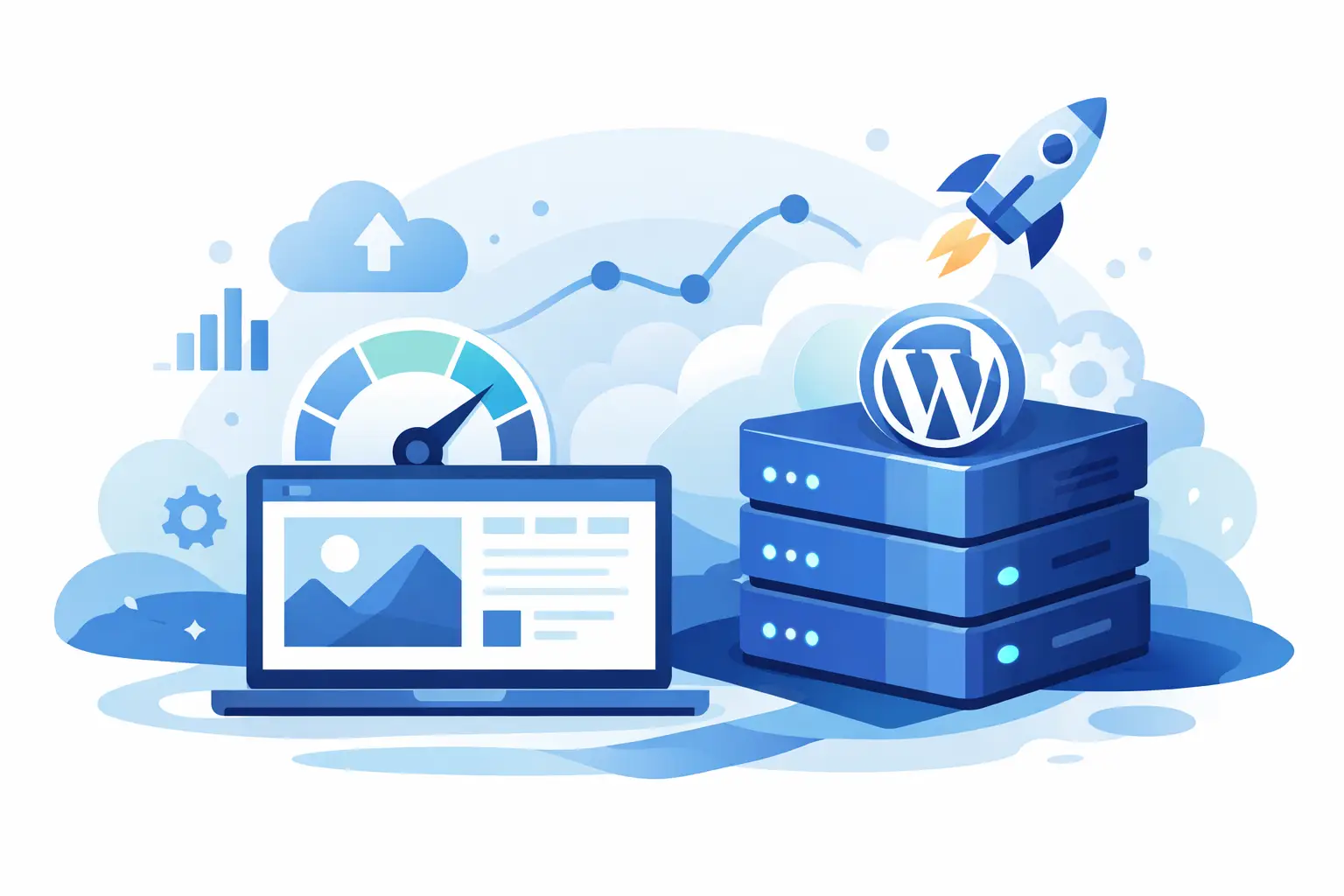
A slow WordPress site costs more than patience. It eats into conversions, search visibility, and trust. That is why wordpress hosting is not just a box to check – it is the performance layer under every page load, checkout, contact form, and campaign you run.
For small businesses, bloggers, freelancers, and agencies, the real question is not whether you need hosting. It is whether your hosting is built to keep up when traffic spikes, plugins stack up, and your site starts doing real work. Good WordPress hosting keeps things fast, stable, and secure without turning every update into a support ticket.
What wordpress hosting should actually do
At its best, WordPress hosting removes friction. Your site should load quickly, updates should be manageable, backups should exist before you need them, and security should not depend on you becoming a server admin overnight.
That means the basics matter more than flashy promises. Fast storage like NVMe helps reduce delays in database-heavy WordPress sites. Modern RAM and strong CPU allocation matter when your theme, plugins, and admin dashboard start pulling more resources. Server-level caching and LiteSpeed support can make a visible difference, especially for content sites and WooCommerce stores.
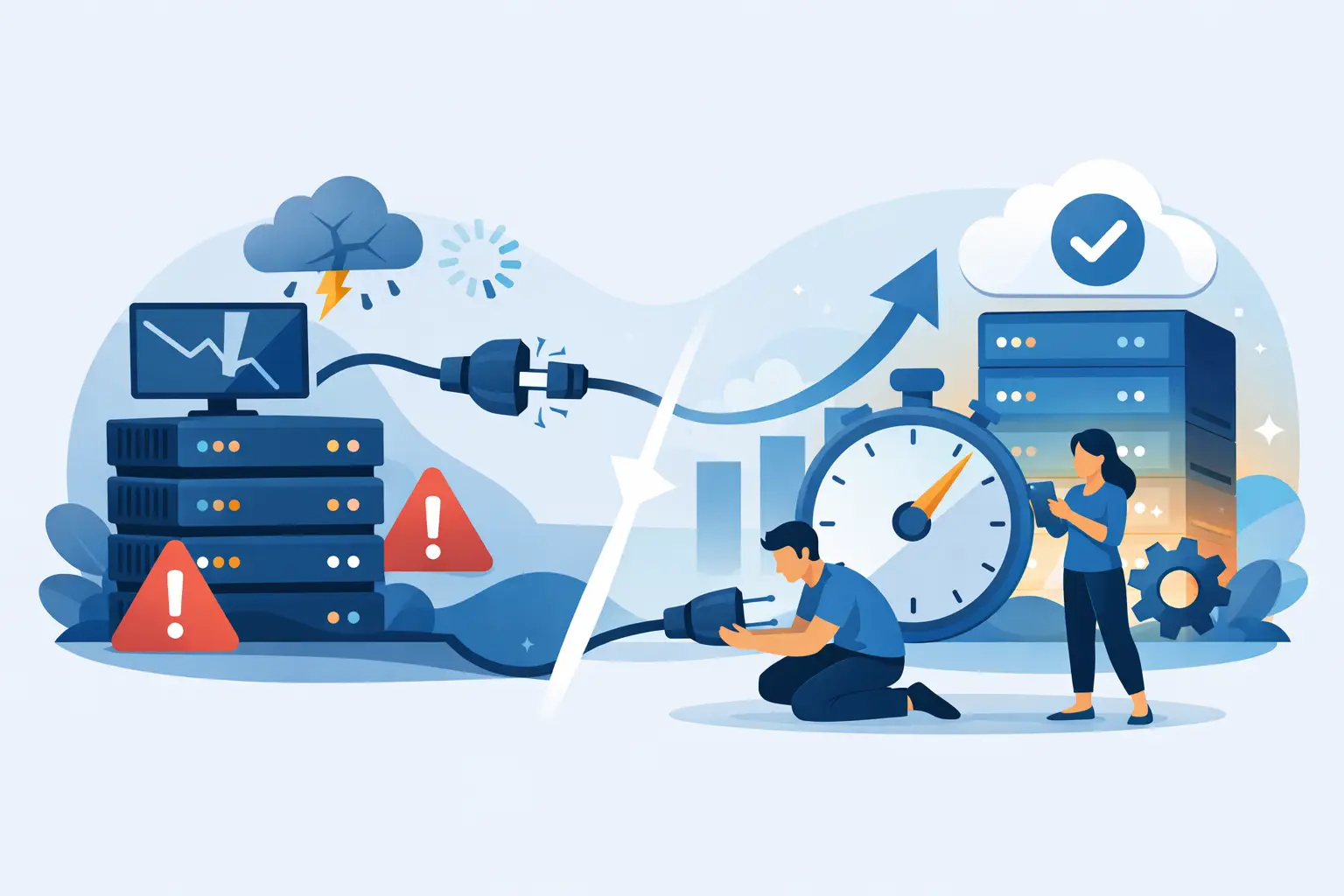
Then there is uptime. If your host is unreliable, nothing else matters. The most polished homepage in the world still loses if it times out during peak traffic or maintenance windows drag on too long.
Why cheap hosting often becomes expensive
A lot of site owners choose the lowest monthly price and pay for it later. The trouble usually shows up in three places: speed, support, and renewals.
First, oversold servers create performance problems that no plugin can fully fix. Your WordPress install may look fine on day one, then slow down as your host packs more accounts onto the same infrastructure. Second, weak support turns simple issues into lost hours. If a plugin update breaks the site or email stops working, you need people who can help fast. Third, surprise renewal pricing erodes trust. Low intro rates are easy to advertise. Predictable long-term pricing is harder, and far more valuable.
This is where buyers should be skeptical in the right way. Not every affordable host is bad, and not every premium host is worth the premium. What matters is whether the platform gives you real resources, clear limits, and support that shows up when the site is on the line.
How to choose wordpress hosting for your stage of growth
If you are launching a single site, shared WordPress hosting can be the right move as long as the environment is performance-focused. You want enough storage, strong caching, free SSL, daily backups, and basic security layers already in place. For many small businesses and creators, that is the sweet spot: simple to manage, affordable to keep, and fast enough to compete.
If you manage multiple sites, run an agency, or expect steady traffic growth, look beyond entry-level plans. More websites, more email accounts, and heavier plugin stacks need room to breathe. That is when higher-tier WordPress hosting or cloud-based plans start making sense.
If you need full control, custom server behavior, or isolated resources for demanding applications, VPS or dedicated infrastructure may be the better fit. The trade-off is complexity. More power usually means more responsibility unless the provider makes the experience feel managed.
The features that matter most
Some features sound nice in sales copy. Others actually protect performance.
Daily backups are non-negotiable. You do not think about them until a plugin conflict, bad update, or user error takes the site down. Free SSL should also be standard. If a host still treats SSL like an add-on, that is a red flag.
Security layers matter because WordPress is popular, and popularity attracts attacks. Malware scanning, firewall protection, ModSecurity, and tools like Imunify360 help reduce risk before it becomes downtime. CDN integration matters too, especially if your visitors come from different regions or your pages rely on heavy media.
Migration support is another big one. Many site owners stay with underperforming hosts simply because moving feels risky. A provider that handles migrations removes one of the biggest barriers to better performance.
What a strong hosting experience looks like
The best hosting feels quiet. Your site loads fast. The dashboard stays responsive. Support answers clearly. Billing is predictable. You are not chasing outages, decoding vague error messages, or wondering why renewals suddenly doubled.
That kind of experience comes from infrastructure choices and service discipline. NVMe storage, modern server hardware, LiteSpeed, CDN support, backups, SSL, and active security all work together. None of them alone is magic. Together, they create a WordPress environment that runs like a winner.
For buyers comparing options, focus less on hype and more on fit. Match the plan to your traffic, plugin load, and growth goals. Make sure support is available 24/7. Check whether renewals stay reasonable. And if switching hosts feels like a headache, remember that the right provider should make the move easier, not harder. That is exactly why performance-focused companies like Orvixly keep migration help and transparent plans front and center.
WordPress is flexible enough to power a side project, a business site, or a growing online store. Your hosting should be just as ready. Pick the platform that keeps your site fast, protected, and easy to run, and the rest of your growth has a much stronger foundation.
Related Posts